UV Fluorescence: The Invisible Glow in Nature
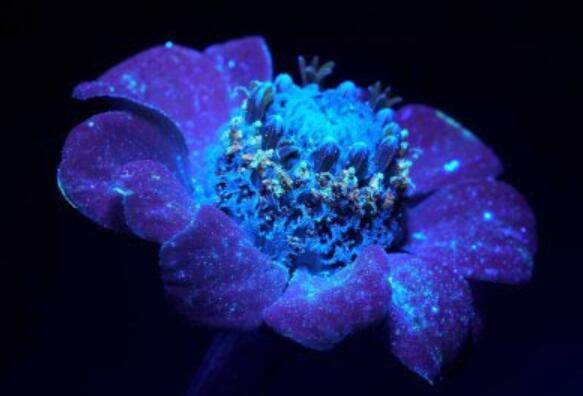
UV Fluorescence: The Invisible Glow in Nature
Introduction
UV fluorescence is a fascinating natural phenomenon where certain substances emit visible light when exposed to ultraviolet (UV) radiation. This effect has wide-ranging applications in nature, scientific research, and daily life—from glowing minerals to biological fluorescence detection—revealing a world invisible to the naked eye.
How Does UV Fluorescence Work?
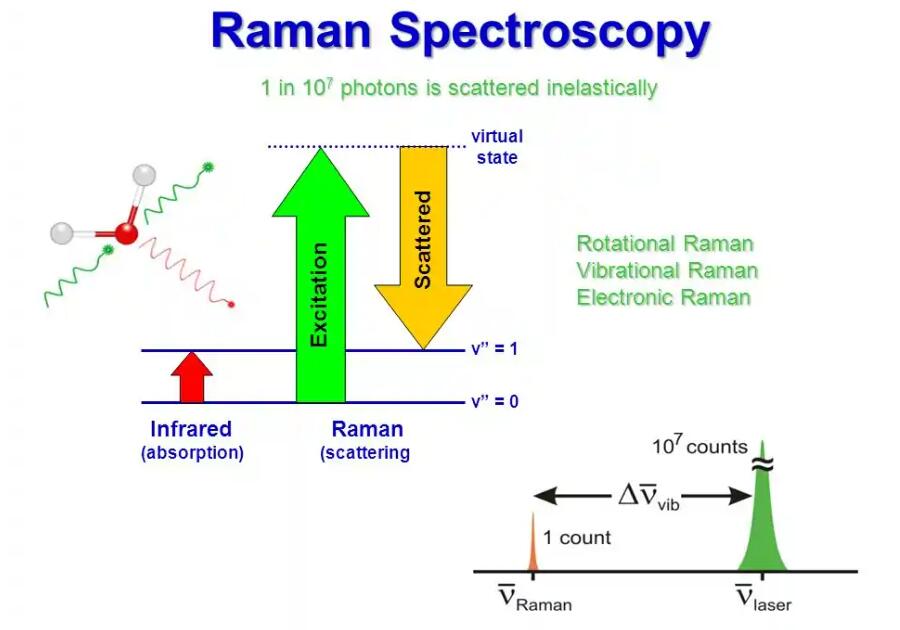
When ultraviolet light (typically UVA, 315-400 nm) shines on certain materials, electrons within them absorb high-energy photons and jump to an excited state. As these electrons return to a lower energy level, they release energy in the form of visible light, producing fluorescence. Different substances emit different colors of fluorescence depending on their chemical structure.
UV Fluorescence in Nature
- Mineral Fluorescence: Minerals like calcite and fluorite glow blue, green, or red under UV light.
- Biological Fluorescence: Scorpions, certain mushrooms (e.g., Mycena chlorophos), and corals emit light under UV.
- Artificial Applications: Banknote security features, highlighter ink, and laundry brighteners utilize UV fluorescence.
Applications
- Forensics: Detecting bloodstains, fingerprints, and other crime scene evidence.
- Medical Diagnostics: Fluorescent labeling for identifying specific cells or proteins.
- Art Authentication: Verifying authenticity and restoring ancient paintings.
- Industrial Inspection: Detecting material cracks or contaminants.
Safety Considerations
Although UVA is relatively safe, prolonged exposure can still harm the eyes and skin. When using UV lamps, avoid direct exposure and take protective measures.
Conclusion
UV fluorescence is not only a stunning natural phenomenon but also a crucial tool in scientific research and modern technology, allowing us to explore hidden worlds beyond ordinary vision.
Microscopic Tech: Exploring the Invisible Wonders of Technology Brief Description
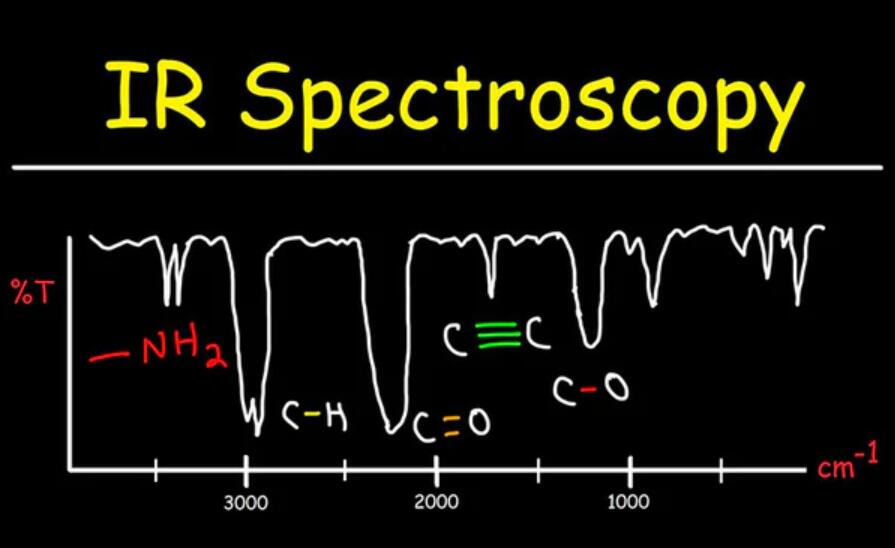
IR Spectroscopy: The "Fingerprint" Technology for Molecules