Thin Film Measurement
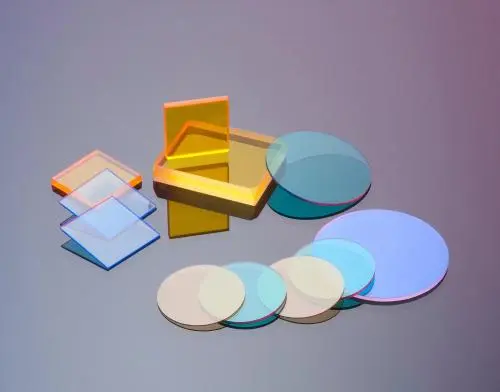
Thin Film Measurement
The integration of a fiber optic spectrometer with a fiber optic probe to create a real-time measurement system on production lines represents a significant advancement in film thickness measurement technology. By using white light as the illumination source and employing fiber optics to receive spectral signals, this method facilitates precise thickness measurement of films.
Principle
The principle behind this technique is based on the thin-film interference phenomenon. Light waves reflecting off the upper and lower surfaces of the film interfere with each other, resulting in variations in light intensity—specifically, constructive and destructive interference. This interference leads to observable patterns in the reflected light, which can be analyzed to determine film thickness. The thickness of the film can typically be measured in the range of 10 nm to 50 μm.
When using the fiber optic spectrometer to measure film thickness, the reflection spectrum is key. The appearance of interference peaks in the reflection spectrum curve directly corresponds to the interference caused by the film, allowing for accurate thickness calculations.

Applications
-
Semiconductor Manufacturing: Film thickness measurement is crucial during the growth of semiconductor wafers. Plasma etching and deposition processes require continuous monitoring to ensure optimal performance and quality.
-
Coating Industries: This technology is widely used in industries that apply thin coatings, such as optics and electronics, where precise thickness control is essential for product functionality.
-
Material Research: Researchers utilize this method to study various materials and their properties, facilitating advancements in material science and engineering.
-
Quality Control: In production environments, real-time monitoring of film thickness contributes to maintaining high quality and consistency across products.
-
Optical Devices: This technique is valuable in the manufacturing of optical devices, where film thickness affects light transmission and reflection characteristics.

Advantages
The use of a fiber optic spectrometer for film thickness measurement offers several advantages:
-
Real-Time Monitoring: Enables continuous oversight of film thickness during production, enhancing process control.
-
High Precision: Provides accurate thickness measurements, which are essential for various applications.
-
Non-Destructive Testing: The method does not damage the film, preserving its integrity for further use.
-
Wide Applicability: Suitable for various materials and industries, making it a versatile tool in manufacturing and research.
The combination of fiber optic spectrometers with real-time measurement systems marks a significant development in film thickness measurement. This technology not only allows for precise monitoring of film thickness during production but also enhances overall product quality and efficiency. As industries continue to evolve, the importance of accurate film thickness measurement will remain critical in achieving advanced manufacturing processes.
Gemstone Measurement
UV Gas Analysis