UV Gas Analysis
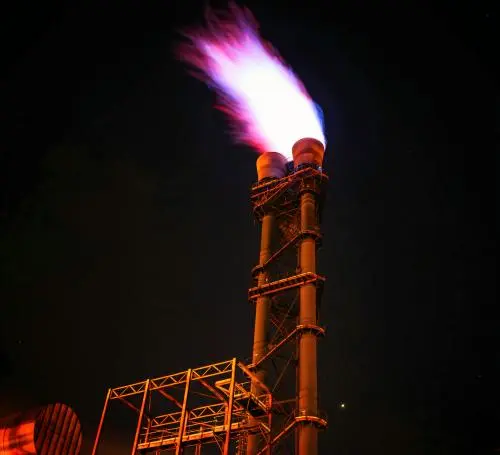
UV Gas Analysis
The UV absorption spectroscopic analysis technique, combined with the Differential Optical Absorption Spectroscopy (DOAS) method, provides a powerful approach for measuring gas concentrations by analyzing their absorption spectra. This method involves capturing the UV light that specific gas components absorb, enabling the determination of their concentrations in the gas mixture.
Absorption Characteristics
- Sulfur Dioxide (SO₂): Absorbs UV light in the range of 280 to 320 nm. This absorption peak allows for the accurate quantification of SO₂ in flue gases, which is crucial for monitoring environmental emissions and ensuring compliance with regulatory standards.
- Nitric Oxide (NO): Absorbs UV light in the range of 195 to 225 nm. The ability to detect NO concentrations is important for assessing combustion efficiency and reducing nitrogen oxide emissions in industrial processes.

Applications
-
Environmental Monitoring: UV absorption spectroscopy is widely used in environmental applications to monitor air quality and detect harmful gases emitted from industrial processes.
-
Combustion Analysis: In power plants and other combustion facilities, this technology helps analyze combustion efficiency and optimize processes to reduce pollutant emissions.
-
Regulatory Compliance: Ensures that industrial emissions meet environmental regulations by providing accurate measurements of harmful gases like SO₂ and NO.
-
Research and Development: Useful in laboratory settings for studying gas-phase reactions and developing new materials that can capture or reduce harmful emissions.
-
Safety Monitoring: In confined spaces or industrial environments, continuous monitoring of toxic gases helps maintain safety standards and protect worker health.
Advantages
-
High Sensitivity: Capable of detecting low concentrations of gases due to the inherent sensitivity of UV absorption techniques.
-
Real-Time Monitoring: Enables continuous assessment of gas concentrations, allowing for immediate adjustments to processes if necessary.
-
Non-Destructive Testing: The method does not alter the chemical composition of the gas being measured, ensuring accurate results.
-
Versatile Application: Applicable across various industries, including power generation, petrochemical, and manufacturing.
The UV flue gas analysis solution using absorption spectroscopy and DOAS is a vital tool for measuring gas concentrations in various industrial applications. By providing accurate and real-time data on harmful emissions, this technology plays a crucial role in environmental protection, regulatory compliance, and process optimization. As industries strive for sustainability, the importance of advanced monitoring techniques like UV absorption spectroscopy will continue to grow.
Thin Film Measurement
Water Quality Analysis